
Peptide research, explained.
Practical guides on peptide quality, testing, storage and laboratory handling, written to help researchers make informed decisions about the compounds they work with.
Peptide Concentration Calculator
Work out mg/mL and molarity, the diluent volume for a target concentration, and stock dilutions. Molecular weights for our compounds built in.
How to Reconstitute Lyophilized Peptides
The lab method for dissolving freeze-dried peptides: what you need, step-by-step technique, working out concentration, and fixing common problems.
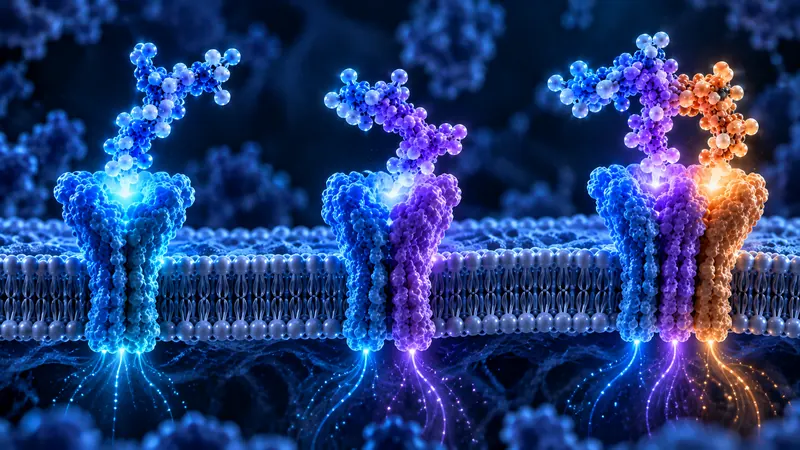
Retatrutide vs Tirzepatide vs Semaglutide: Single, Dual and Triple Agonists Compared
One receptor, two or three? How the three generations of incretin peptides differ in their targets, design and development status.
BPC-157 vs TB-500: What's the Difference?
Two of the most studied tissue-repair peptides, compared side by side: structure, mechanisms, research areas and what the evidence does and doesn't show.
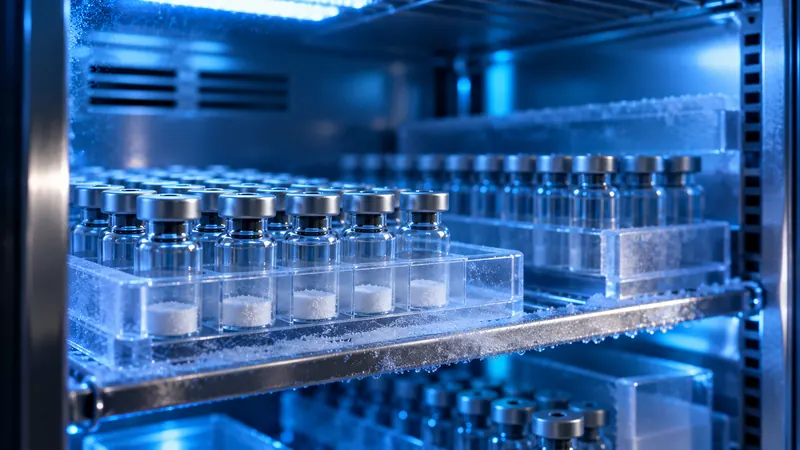
How to Store Research Peptides: Lyophilized and Reconstituted
Fridge or freezer? How to store peptides before and after reconstitution, avoid freeze-thaw damage, and spot a vial that may have degraded.

How to Read a Certificate of Analysis (COA) for Research Peptides
A line-by-line walkthrough of a real third-party test report: purity vs quantity, what a COA doesn't cover, and how to verify one yourself.

Bacteriostatic Water vs Sterile Water: What's the Difference?
One ingredient makes the difference. What benzyl alcohol does, when each diluent fits, and why distilled water is never a substitute.

How Peptide Purity Is Tested: HPLC and Mass Spectrometry Explained
The lab methods behind every COA, in plain language: how HPLC measures purity and quantity, and how mass spectrometry confirms identity.
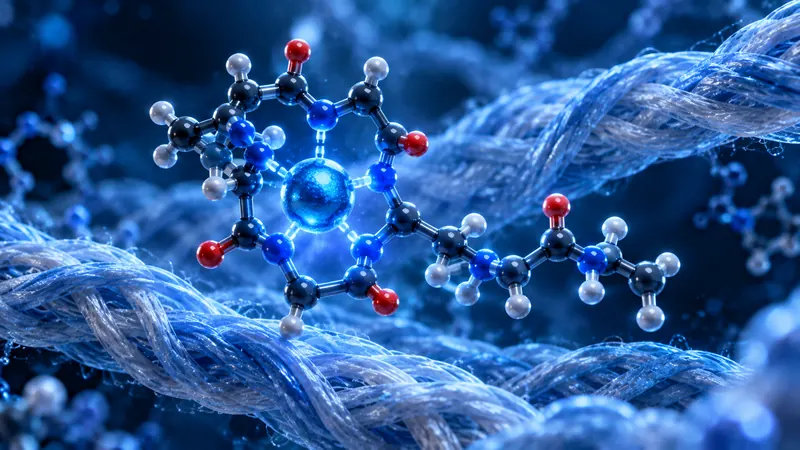
What Is GHK-Cu? Copper Peptides and Skin Research
Three amino acids and a copper ion. Where GHK-Cu comes from, how it's thought to work, and why it's so widely studied in skin and tissue research.
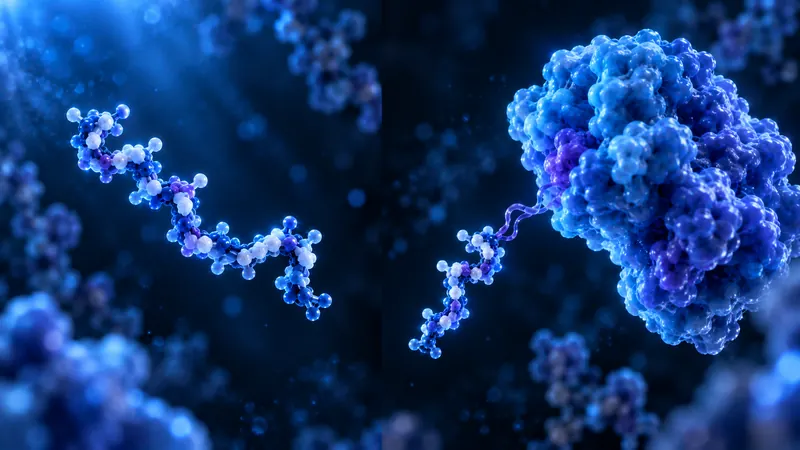
CJC-1295 With DAC vs Without DAC: What's the Difference?
Same peptide, very different duration. What the drug affinity complex does, and why the two forms answer different research questions.

Semax vs Selank: How the Two Neuropeptides Compare
Same institute, same stabilizing tail, different parents. How the hormone-derived and immune-derived neuropeptides compare.
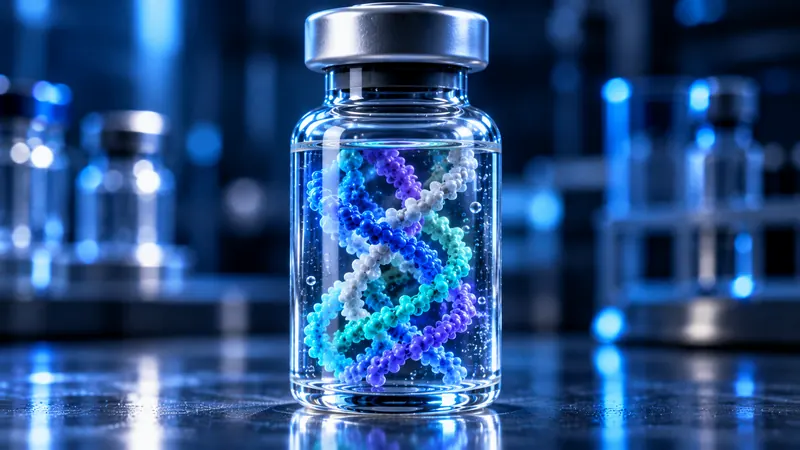
Peptide Blends Explained: Why Researchers Combine Compounds
Blend or bundle? Why compounds get combined in one vial, the logic behind popular blends, and the trade-offs to weigh.

How to Evaluate a Research Peptide Supplier: A Checklist
What separates a trustworthy supplier: verifiable testing, transparency, responsible conduct, and the red flags to walk away from.
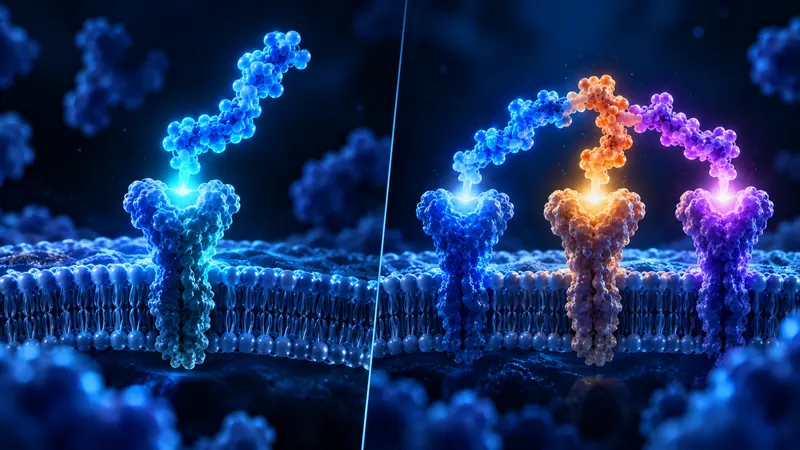
Retatrutide vs Ozempic (Semaglutide): How They Differ
An approved GLP-1 medicine versus an investigational triple agonist: how semaglutide and retatrutide differ in targets, design and status.

CJC-1295 + Ipamorelin vs Tesamorelin: How They Compare
One GHRH analogue versus a two-pathway blend: how they're built, which receptors they use, and how much clinical evidence sits behind each.
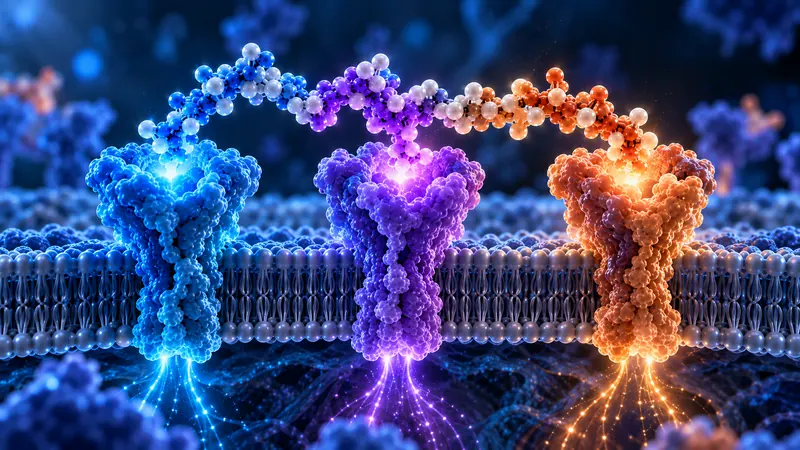
Retatrutide: Understanding the Triple Receptor Agonist
How one molecule activates three hormone receptors, why glucagon was added, and where retatrutide stands in clinical development.
BPC-157: What Does the Research Show?
A balanced look at the BPC-157 literature: where the research is concentrated, proposed mechanisms, and the real limits of the evidence.
TB-500 and Tissue Repair Research
How thymosin beta-4 controls cell movement, and what wound, cardiac and corneal research has found, with an honest look at the evidence.

Tesamorelin: Mechanisms and Clinical Studies
The best-studied GHRH analogue: how it's built, how it works on the growth hormone axis, and what its clinical studies examined.

CJC-1295 and Ipamorelin: Understanding GH Signalling
The growth hormone axis explained: two 'go' signals, one 'stop' signal, and why CJC-1295 and ipamorelin are studied together.

MOTS-c and Mitochondrial Function
A peptide encoded by mitochondrial DNA. How MOTS-c signals from the mitochondria to the rest of the cell, and why exercise researchers study it.
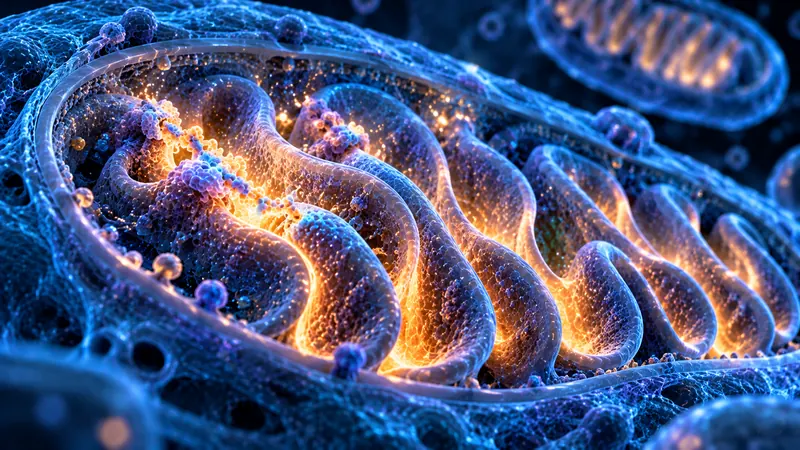
SS-31 (Elamipretide) and Mitochondrial Research
A peptide built to reach the inner mitochondrial membrane: how SS-31 binds cardiolipin, and the path to elamipretide's 2025 FDA approval.

NAD+ and Cellular Energy Metabolism
The coenzyme at the centre of cellular energy: how NAD+ carries electrons, fuels sirtuins and DNA repair, and why its decline matters in ageing research.
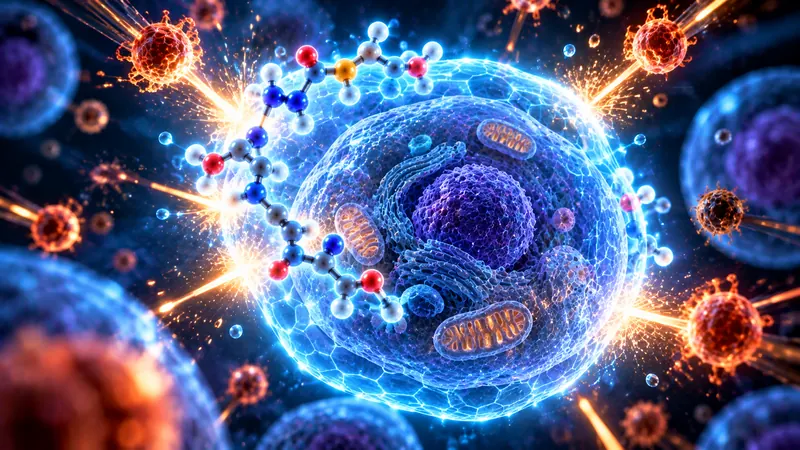
Glutathione and Oxidative Stress Research
The cell's most abundant antioxidant thiol: how glutathione neutralises oxidants, how it's recycled, and why the GSH:GSSG ratio matters.
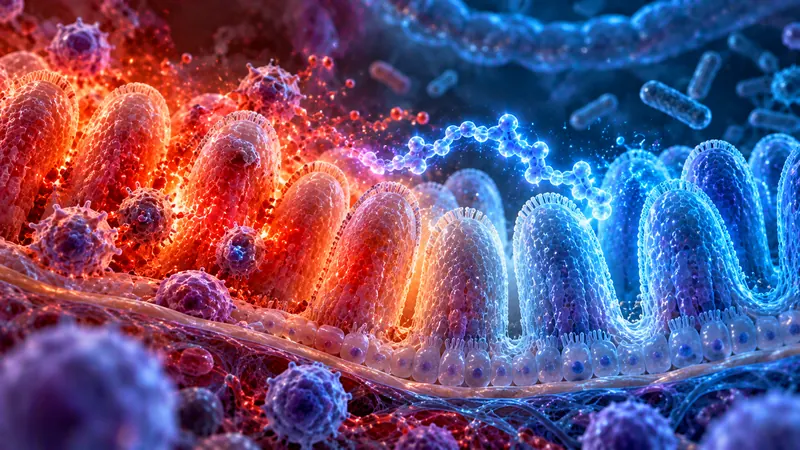
KPV and Inflammatory Pathways
Three amino acids from α-MSH. How KPV is thought to dampen inflammatory signalling and why intestinal researchers study it.

Semax and Cognitive Research
A hormone fragment without the hormone's job: how Semax is built and why it's studied for BDNF, neuroplasticity and memory.

Selank and Neurobiological Research
An immune peptide with effects on the brain: how Selank is built and why it's studied in stress, anxiety and immune research.
No guides in this topic yet.