
Key takeaways
- Testing comes first: look for independent, verifiable, batch-specific certificates of analysis.
- Transparency matters: real contact details, clear policies and straight answers to questions.
- Conduct is a signal: a supplier that makes health claims or gives dosing advice is not operating as a research supplier.
In this guide
- Independent testing
- Transparency
- Supplier conduct
- Practical logistics
- Regulatory context
- Quick checklist
- FAQ
1. Independent, verifiable testing
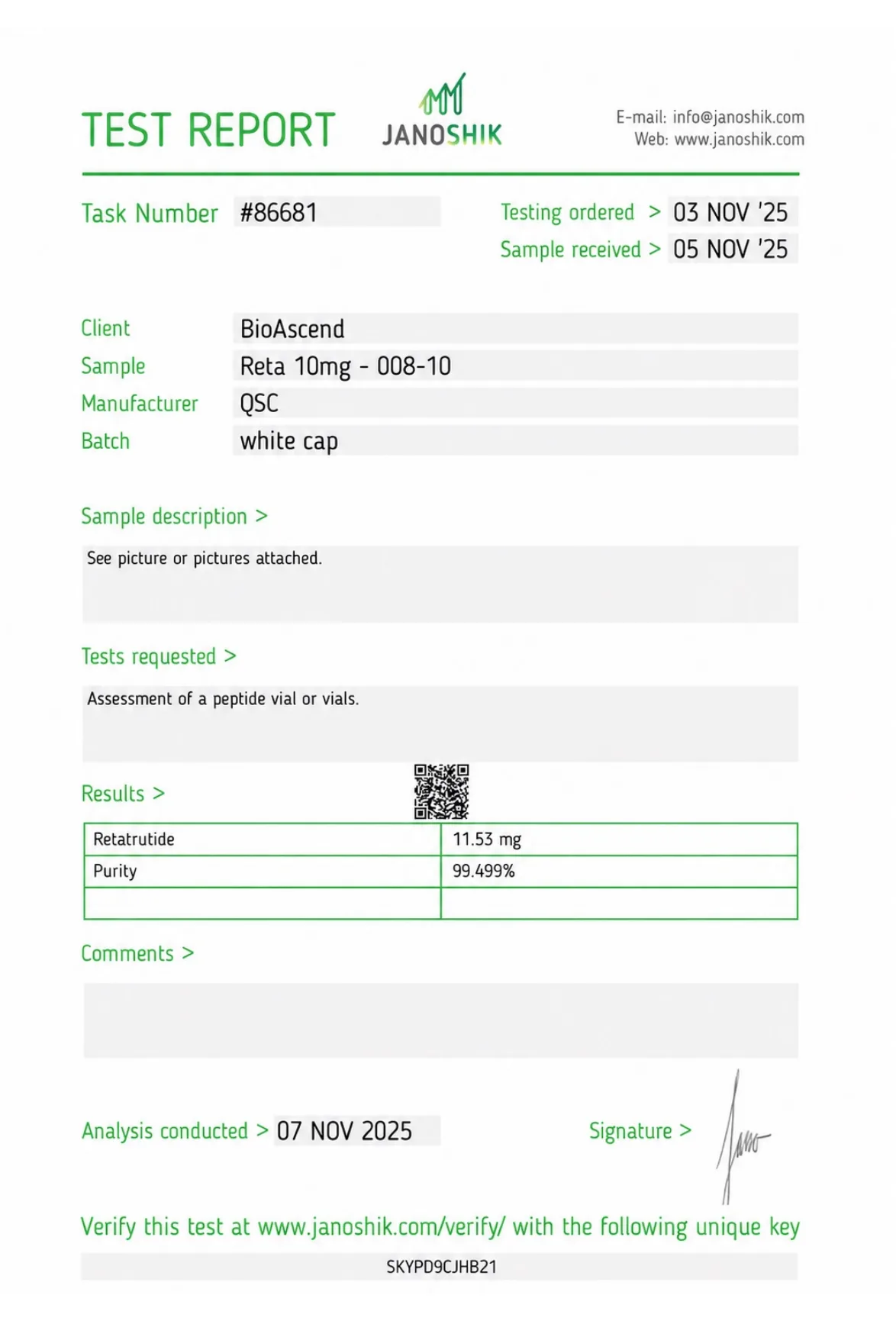
This is the most important factor, because it's the only direct evidence of what's in the vial.
- Third-party, not in-house. Reports should come from an independent lab with no stake in the result.
- Verifiable. Look for a unique key or code you can check on the lab's own website.
- Purity and quantity. A report should show both how pure the peptide is and how much is in the vial.
- Matched to the product. The sample name, strength and client name on the report should match the product and the supplier.
- Reasonably recent. Reports should reflect batches currently on sale.
Our guide on how to read a certificate of analysis walks through each of these checks with a real report.
2. Transparency
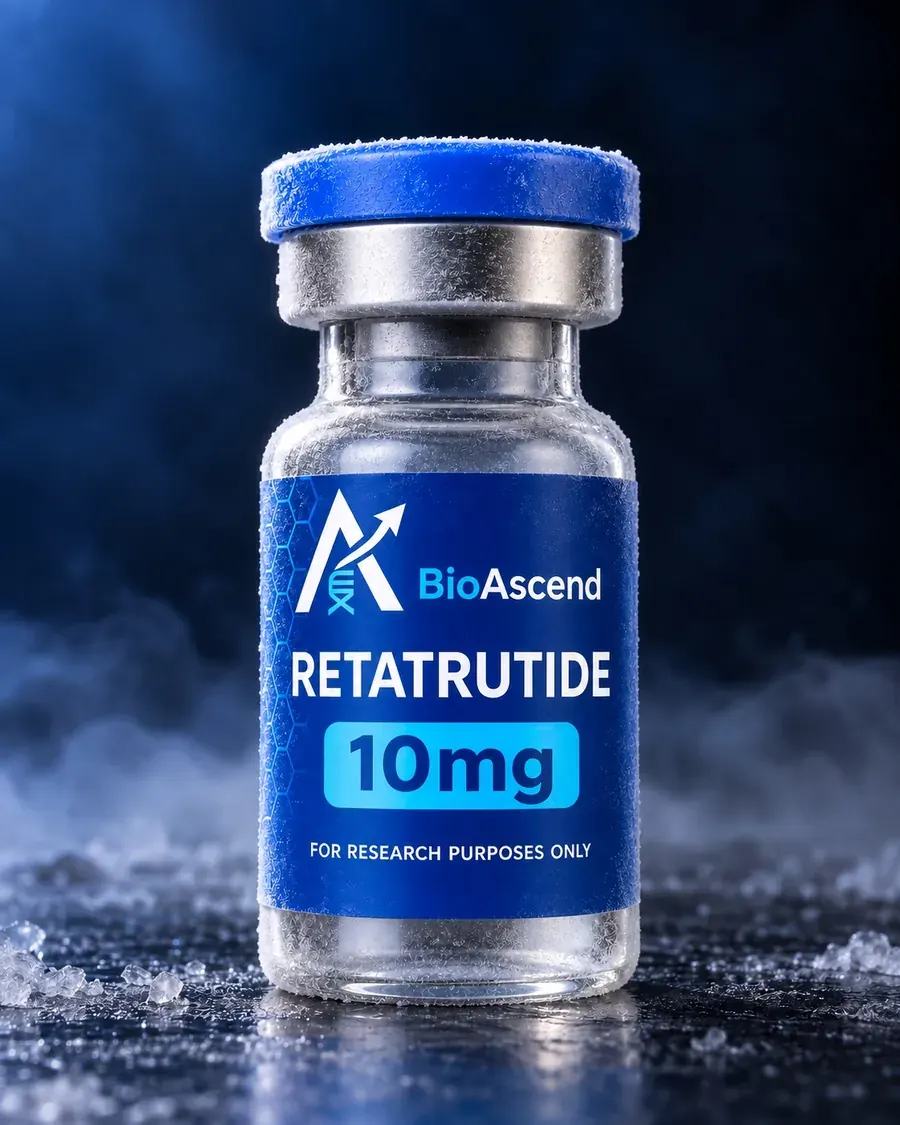
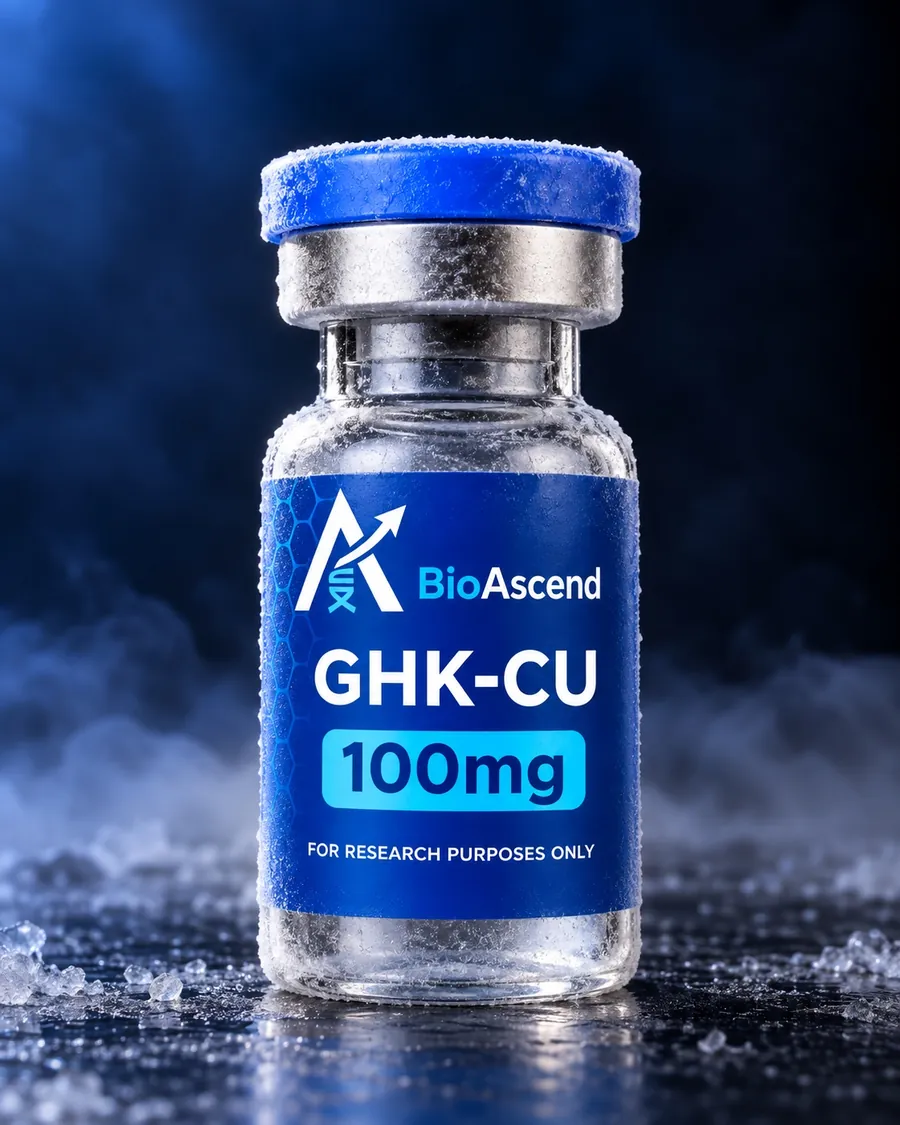
- Clear product information: exact compound, strength, form (lyophilized powder) and storage guidance.
- Reachable support: a working email address and responses to questions before you order.
- Published policies: shipping, refunds and damaged-order procedures, written down and easy to find.
- Honest about limits: for example, explaining when a blend's report covers identity and amount but not overall purity.
3. How the supplier behaves
A legitimate research supplier sells materials for laboratory research and is careful about how it describes them. Watch for the opposite:
- Health or treatment claims, such as promises that a compound will heal injuries, burn fat or improve performance.
- Dosing instructions or "protocols" for personal use. A research supplier has no business telling customers how to use compounds on themselves.
- Before-and-after photos or testimonials about personal results.
- "Too good to be true" pricing far below the rest of the market, which can point to underdosed or untested material.
- No testing documentation, or reports that can't be verified or belong to someone else.
4. Practical logistics
- Domestic shipping. Buying from a supplier in your own country generally means faster delivery and fewer customs complications than importing.
- Packaging. Vials should arrive sealed, labelled and protected.
- Order support. Look for a clear process for damaged or incorrect shipments.
- Payment clarity. Payment methods and timelines should be explained up front.
5. Know the regulatory context
Research peptides are sold for laboratory research, not for human or veterinary use. In Canada, peptides intended for human use are regulated as drugs and must be authorized by Health Canada, and Health Canada has stated that a "research use only" label does not by itself exempt a product from regulatory requirements. Researchers should make sure their sourcing and use fit their institution's protocols and applicable law.
Quick checklist
- Third-party COA from an independent lab
- COA can be verified on the lab's website
- Report shows both purity and quantity, and matches the product
- Clear product information and storage guidance
- Real, responsive contact details and published policies
- No health claims, dosing advice or personal-results testimonials
Frequently asked questions
What is the most important thing to check in a peptide supplier?
Independent, verifiable testing. Look for third-party certificates of analysis that show purity and quantity, match the product you're buying, and can be verified on the testing lab's website.
Why is it a red flag if a supplier gives dosing advice?
Research suppliers sell materials for laboratory use. A supplier that provides personal dosing instructions or health claims is presenting its products for human use, which is outside research supply and a sign it isn't operating responsibly.
How can I tell if a COA is genuine?
Check for a verification key and confirm it on the testing lab's website. The client name, sample, strength and results should all match the copy you were given.
Does a "research use only" label make a peptide legal for personal use?
No. Research peptides are not for human or veterinary use, and in Canada Health Canada has stated that this labelling does not exempt a product from regulatory requirements.