Key takeaways
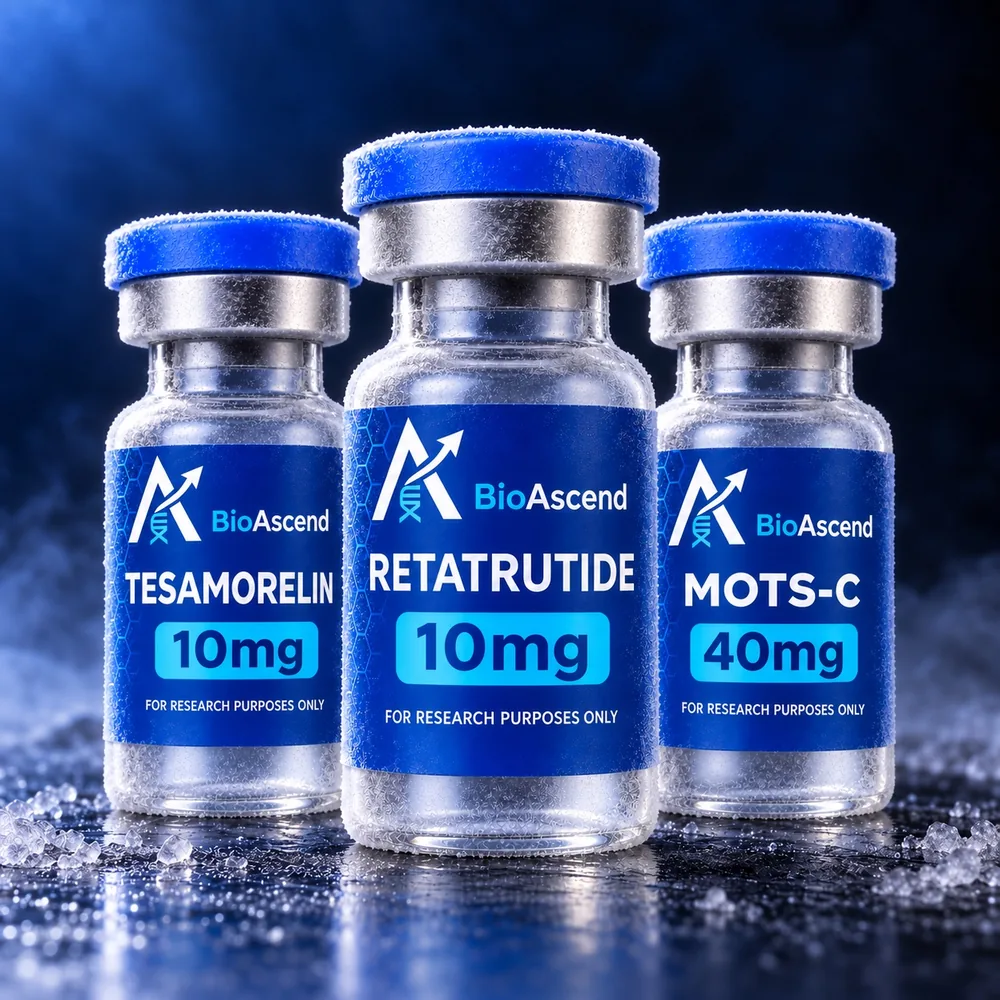
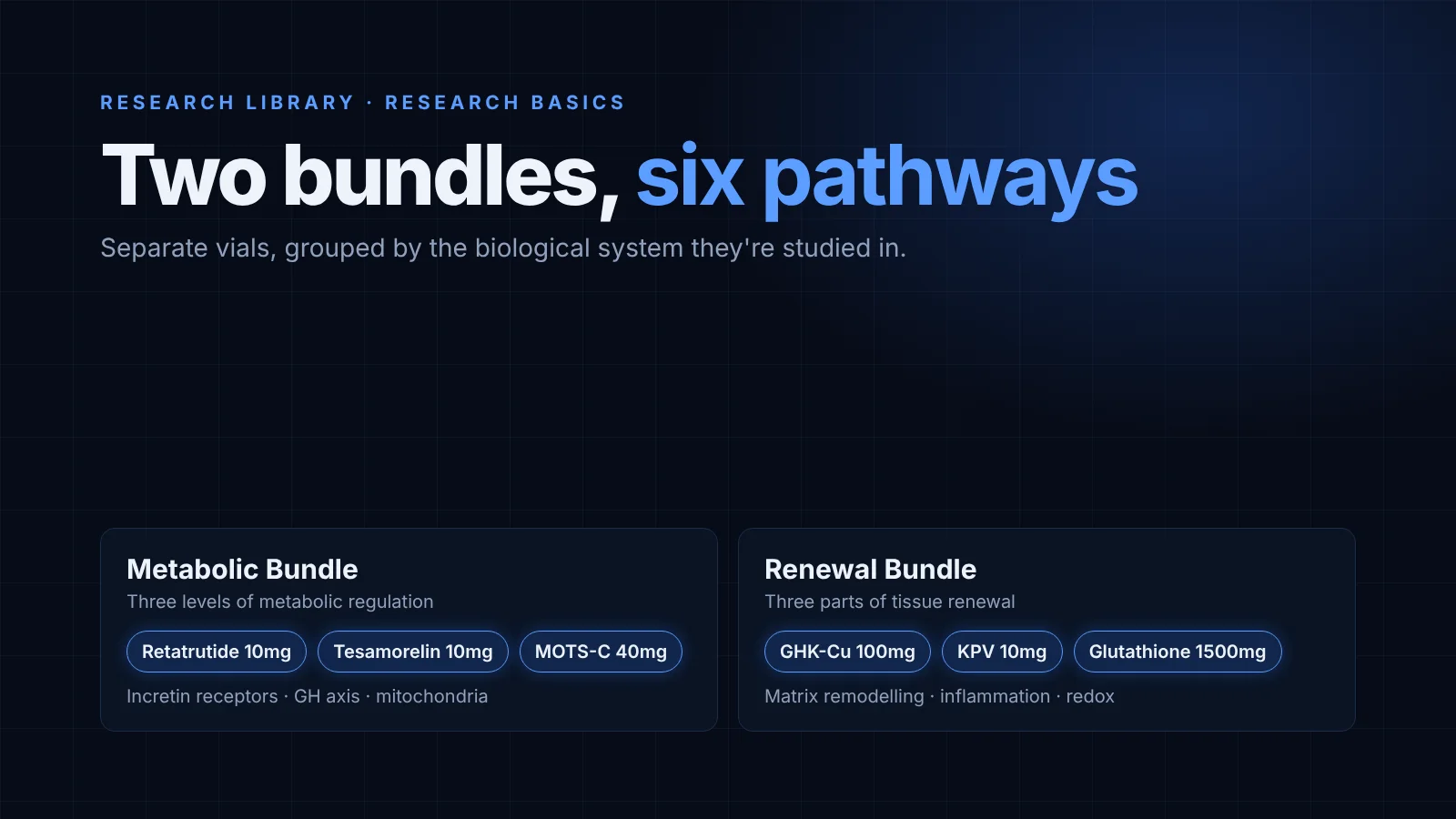
- Metabolic Bundle: Retatrutide 10mg, Tesamorelin 10mg and MOTS-C 40mg, covering incretin signalling, the GH axis and mitochondrial energy regulation.
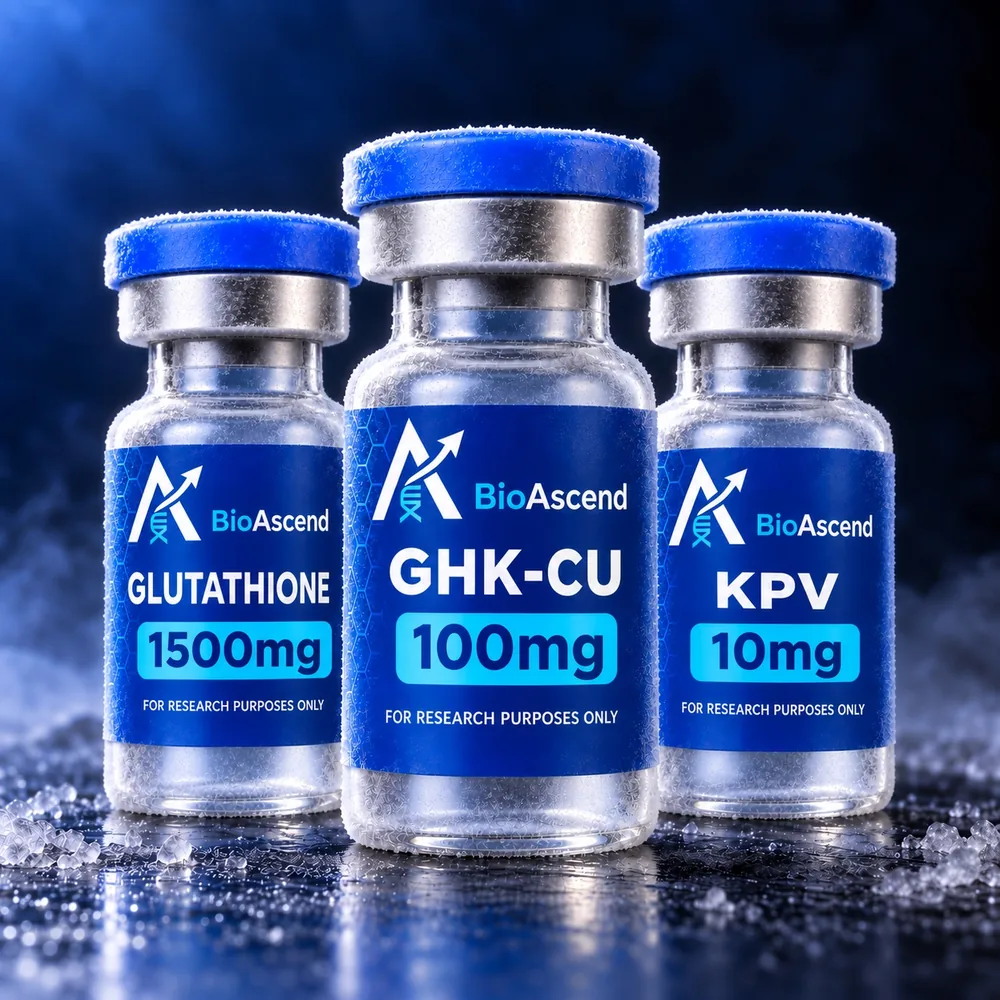
- Renewal Bundle: GHK-Cu 100mg, KPV 10mg and Glutathione 1500mg, covering matrix remodelling, inflammatory signalling and antioxidant defence.
- Each compound is supplied in a separate vial, so they can be studied individually or together.
In this guide
View the Metabolic Bundle →Bundle vs blend
A blend, like KLOW, mixes several peptides in one vial at a fixed ratio. A bundle packages separate vials together. That difference matters in research: with a bundle, each compound can be reconstituted, measured and used on its own, including as a single-compound control. See peptide blends explained for more on fixed-ratio blends.
The Metabolic Research Bundle
| Compound | Amount | Pathway | Research focus |
|---|---|---|---|
| Retatrutide | 10mg | GLP-1, GIP and glucagon receptors | Appetite signalling, glucose regulation, energy expenditure |
| Tesamorelin | 10mg | GHRH receptor (GH–IGF-1 axis) | Growth hormone release, visceral adipose tissue |
| MOTS-C | 40mg | Mitochondrial-derived peptide; AMPK | Cellular energy metabolism, insulin sensitivity |
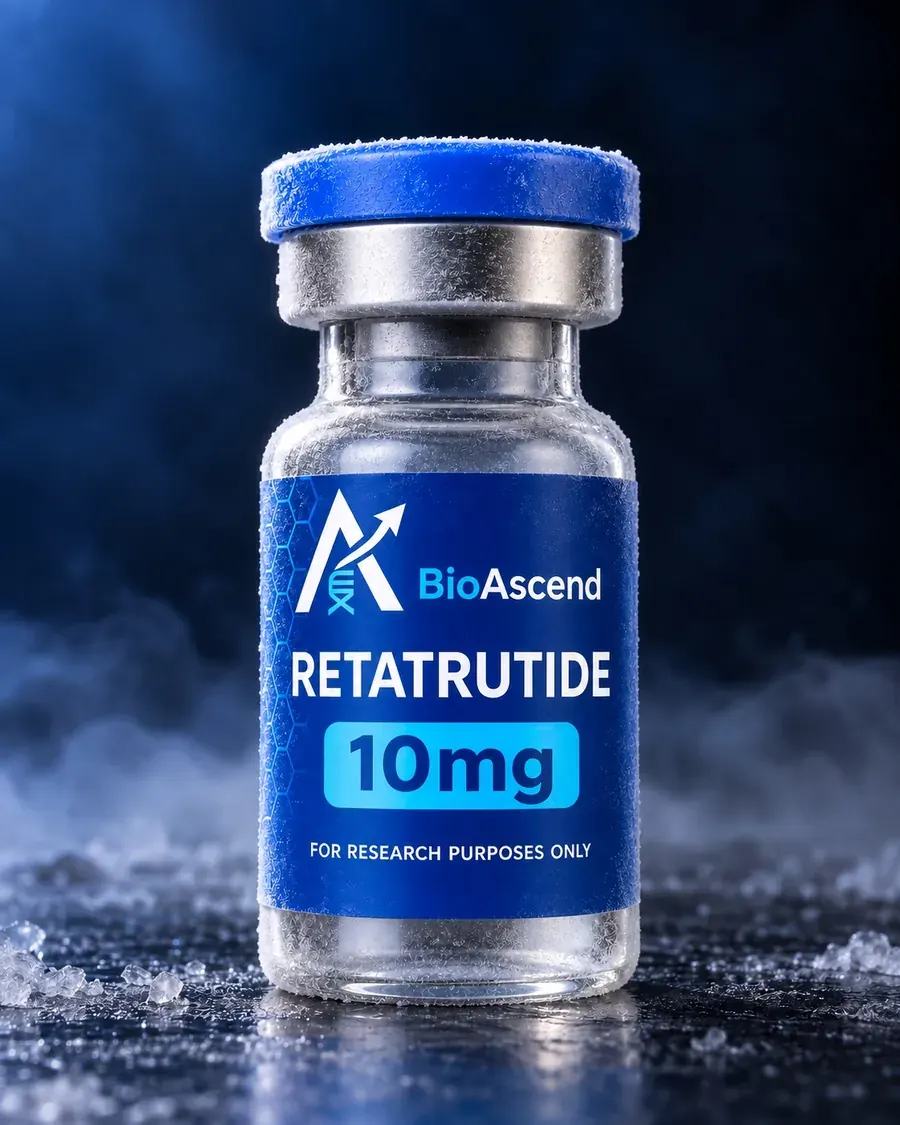
Retatrutide
A single peptide that activates three gut-hormone receptors. Its phase 2 obesity trial was published in 2023 (Jastreboff et al., New England Journal of Medicine), and it remains investigational. See what is retatrutide?
Tesamorelin
A stabilised GHRH analogue that stimulates the pituitary to release growth hormone. It has the deepest clinical record of the three, including trials on visceral fat (Falutz et al., NEJM, 2007). See tesamorelin mechanisms and clinical studies.
MOTS-C
A 16-amino-acid peptide encoded in mitochondrial DNA, reported to act through AMPK and to affect insulin sensitivity in mice (Lee et al., Cell Metabolism, 2015). See MOTS-c and mitochondrial function.
Why these three: they act at three separate levels of metabolic regulation (gut-hormone signalling, the pituitary GH axis and the mitochondria), so a research program can look at appetite signalling, fat distribution and cellular energy within one framework.
The Renewal Research Bundle
| Compound | Amount | Pathway | Research focus |
|---|---|---|---|
| GHK-Cu | 100mg | Copper peptide; matrix gene expression | Collagen synthesis, matrix remodelling, skin biology |
| KPV | 10mg | NF-κB inflammatory signalling | Inflammatory cytokines, intestinal inflammation |
| Glutathione | 1500mg | Thiol antioxidant system | Redox balance, oxidative stress defence |
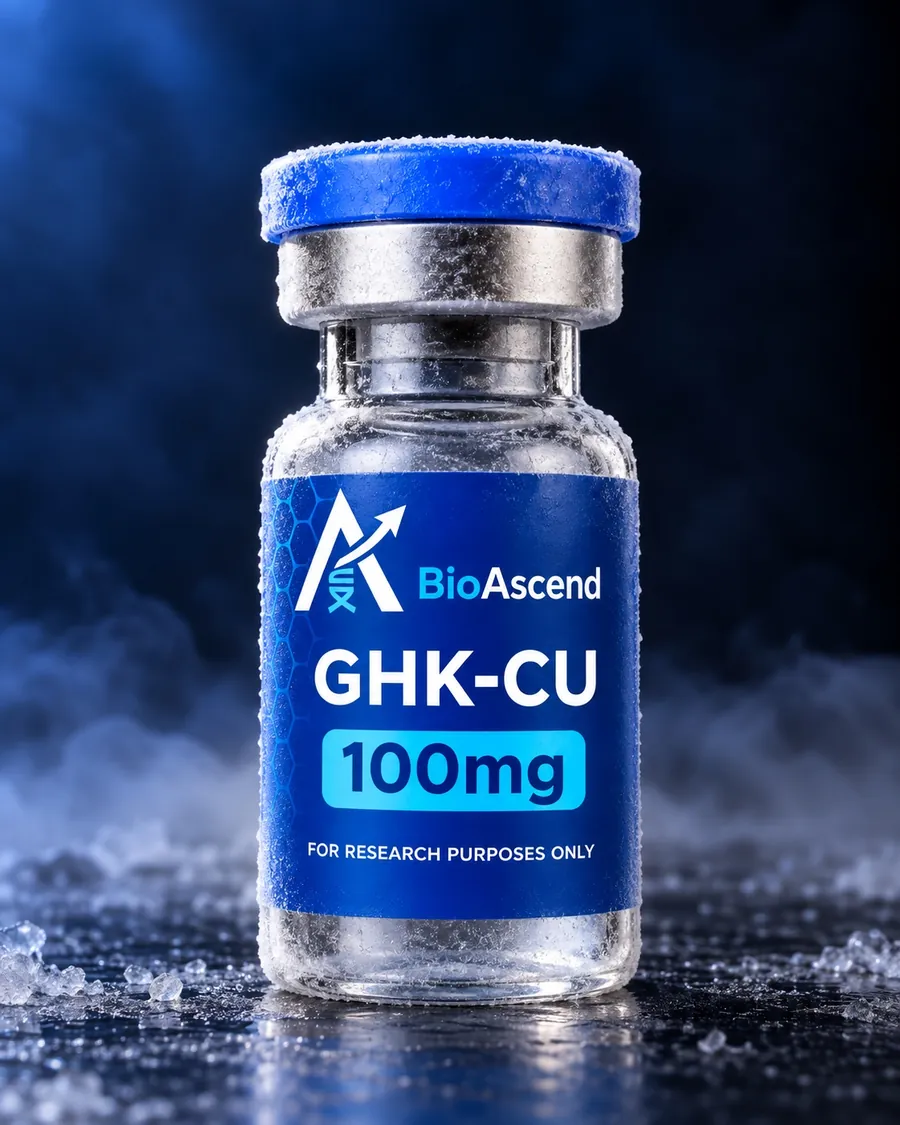
GHK-Cu
A naturally occurring copper-binding tripeptide studied for collagen production and extracellular matrix remodelling (Pickart & Margolina, 2018). See what is GHK-Cu?
KPV
A three-amino-acid fragment of α-MSH studied for dampening NF-κB activation and inflammatory cytokine production. See KPV and inflammatory pathways.
Glutathione
The cell's main thiol antioxidant, central to neutralising reactive oxygen species and maintaining redox balance (Forman et al., Molecular Aspects of Medicine, 2009). See glutathione and oxidative stress.
Why these three: tissue repair involves rebuilding the matrix, resolving inflammation and limiting oxidative damage. Each compound is studied in one of those processes.
Working with a bundle
Because the compounds come in separate vials, each one is reconstituted and stored according to its own requirements. Glutathione and GHK-Cu are supplied in much larger amounts than KPV, so concentrations will differ widely. Our concentration calculator and reconstitution guide cover the basics.
All compounds in both bundles are research compounds only. Grouping them doesn't imply any combined effect; how they interact in a given model is a research question.
Frequently asked questions
What's the difference between a bundle and a blend?
A blend combines several peptides in one vial at a fixed ratio. A bundle packages separate vials together, so each compound can be prepared and used on its own.
What's in the Metabolic Research Bundle?
Retatrutide 10mg, Tesamorelin 10mg and MOTS-C 40mg, each in its own vial.
What's in the Renewal Research Bundle?
GHK-Cu 100mg, KPV 10mg and Glutathione 1500mg, each in its own vial.
Do the compounds in a bundle work together?
They were grouped because each is studied in a different part of the same biological system. Whether and how they interact in a particular model hasn't been established and is a question for research.
References
- Jastreboff AM, et al. Triple-hormone-receptor agonist retatrutide for obesity — a phase 2 trial. N Engl J Med. 2023;389(6):514–526.
- Falutz J, et al. Metabolic effects of a growth hormone-releasing factor in patients with HIV. N Engl J Med. 2007;357(23):2359–2370.
- Lee C, et al. The mitochondrial-derived peptide MOTS-c promotes metabolic homeostasis and reduces obesity and insulin resistance. Cell Metab. 2015;21(3):443–454.
- Pickart L, Margolina A. Regenerative and protective actions of the GHK-Cu peptide in the light of the new gene data. Int J Mol Sci. 2018;19(7):1987.
- Forman HJ, Zhang H, Rinna A. Glutathione: overview of its protective roles, measurement, and biosynthesis. Mol Aspects Med. 2009;30(1–2):1–12.