In Stock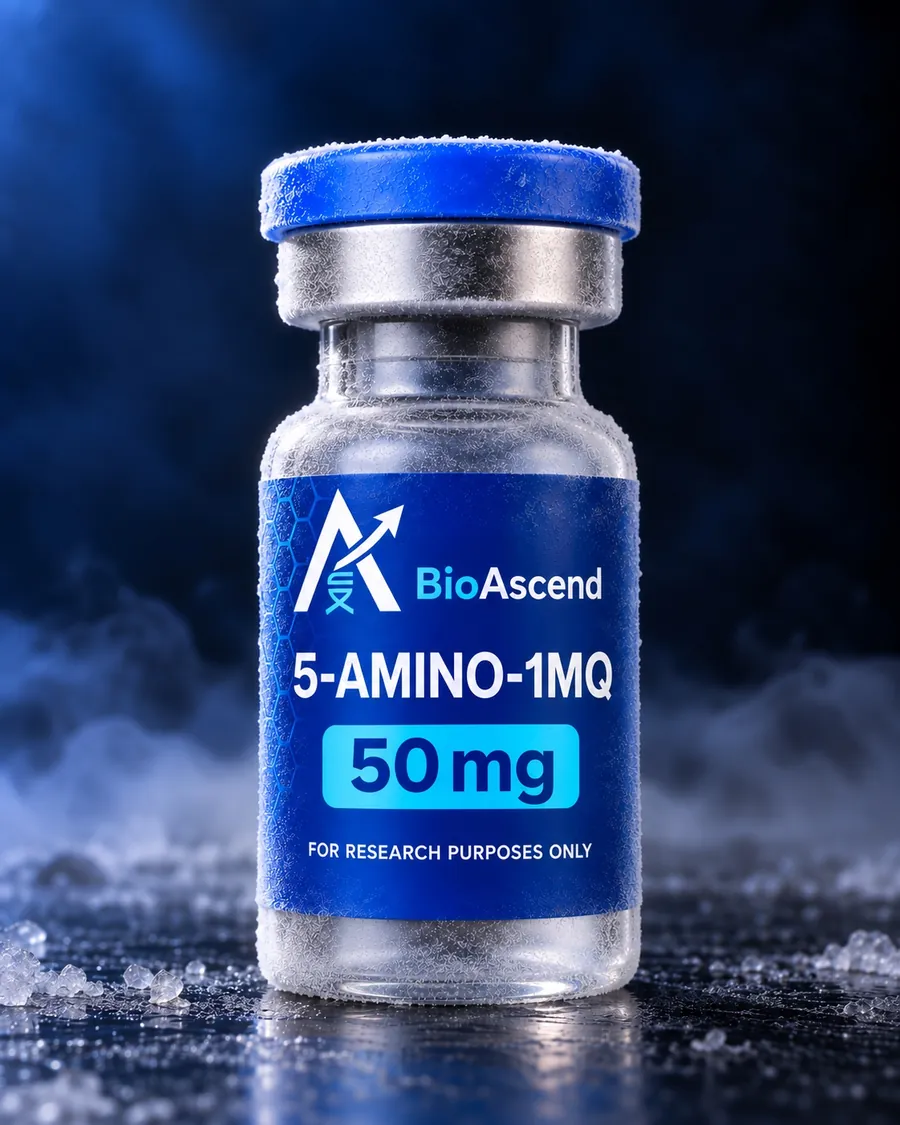
5-Amino-1MQ
50 mg
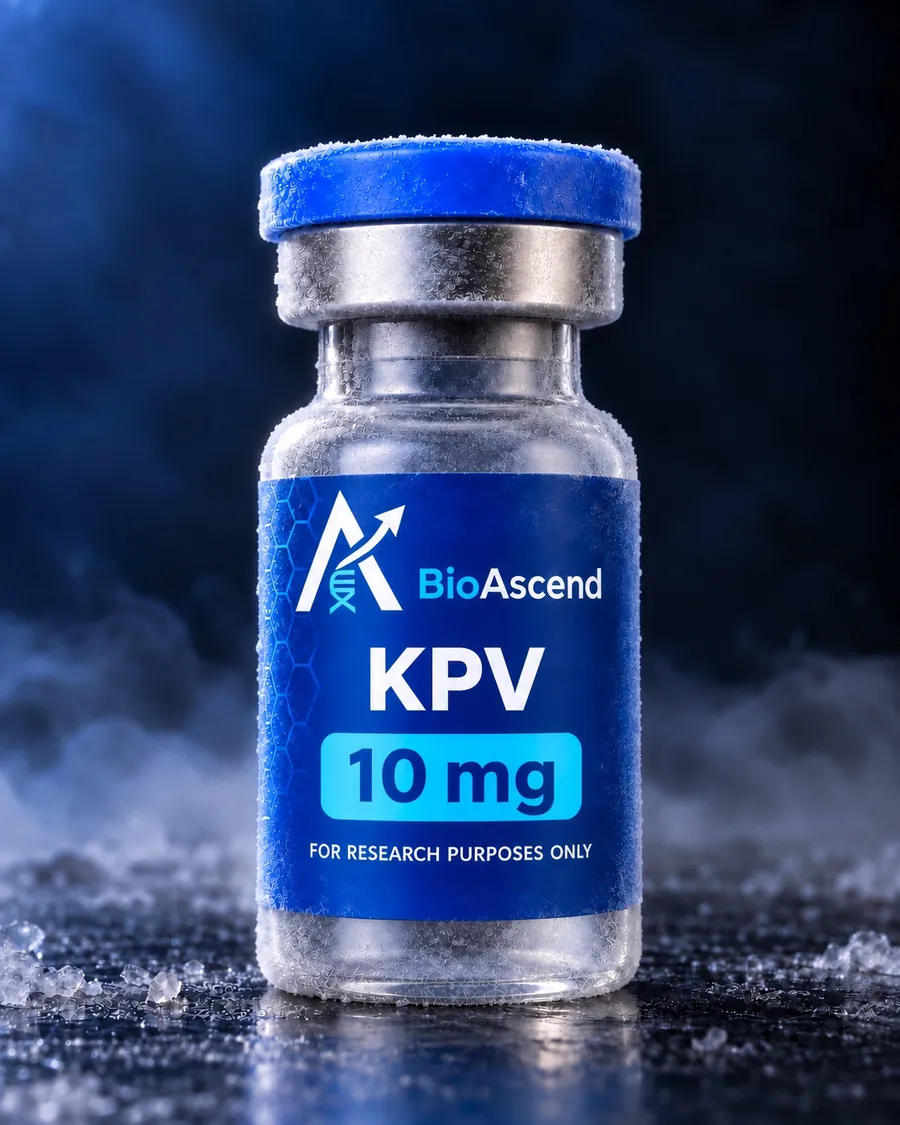
Orders placed before 2 p.m. ET ship the same business day. Free shipping on orders $250+.
KPV is a tripeptide (lysine-proline-valine) derived from the C-terminal end of alpha-melanocyte-stimulating hormone (α-MSH), supplied as a 10mg lyophilized research peptide. It is studied for its effects on inflammatory signalling and in models of intestinal and skin inflammation.
KPV is the C-terminal tripeptide of α-MSH, a hormone best known for its role in pigmentation that also has anti-inflammatory activity. Researchers found that much of α-MSH's anti-inflammatory effect could be reproduced by this short Lys-Pro-Val sequence.
Its small size, three amino acids, makes KPV a convenient tool for studying the anti-inflammatory activity of melanocortin-derived peptides.
KPV has been reported to reduce activation of the NF-κB pathway and the production of pro-inflammatory cytokines in experimental systems. Because it is so small, it can enter intestinal epithelial and immune cells through the peptide transporter PepT1, which is upregulated in the inflamed intestine.
These properties make KPV a subject of research into inflammatory bowel disease models, epithelial barrier function and inflammatory skin conditions.
In mouse models of colitis, KPV taken up through PepT1 reduced intestinal inflammation and inflammatory signalling (Dalmasso et al., Gastroenterology, 2008).
The broader anti-inflammatory biology of α-MSH and its fragments, including KPV, is reviewed in Brzoska et al., Endocrine Reviews, 2008. This literature is cited for scientific context only.
KPV is the last three amino acids (Lys-Pro-Val) of alpha-melanocyte-stimulating hormone (α-MSH), a naturally occurring melanocortin peptide.
KPV is available as a 10mg lyophilized powder vial, shipped from Canada.
Store unopened vials in a cool, dry place away from direct light, with refrigeration recommended for long-term storage. After reconstitution, keep the vial refrigerated at 2–8°C.
Published literature is summarised for scientific context only. It is not a claim about this product, and this product is not for human or veterinary use.
Store unopened vials in a cool, dry environment away from direct light. For long-term storage, refrigeration is recommended. After reconstitution, keep refrigerated at 2–8°C and protect from direct light.
Not for human consumption. This product is sold exclusively as a research compound for in vitro and laboratory use by qualified researchers. It is not a drug, supplement, or cosmetic, is not intended for human or veterinary use, and is not intended to diagnose, treat, cure, or prevent any disease. No dosing, administration, or therapeutic claims are made or implied.
Published literature referenced on this page is provided for scientific context only and does not constitute a claim about this product or evidence of safety or efficacy in any organism.
By purchasing this product, you confirm that it will be used for legitimate research purposes in accordance with applicable laws and regulations.